Why Some Places Stay With Us
Some buildings pass through our lives unnoticed. Others stay with us long after we leave.

Most buildings pass through our lives without leaving a trace. Others stay with us long after we leave.
This persistence is seldom about spectacle or surface effect. It arises where sequence, threshold, material, and use align.
Places that endure shift how bodies move, how light behaves, how scale is sensed. These qualities are registered physically before they are understood intellectually. They emerge in transitions rather than destinations, a narrowing before release, a material change that signals movement between conditions.
Memory is formed through sequence, not isolated features. When a place is experienced as a flow, rhythm and proportion become legible to the body as well as the eye.
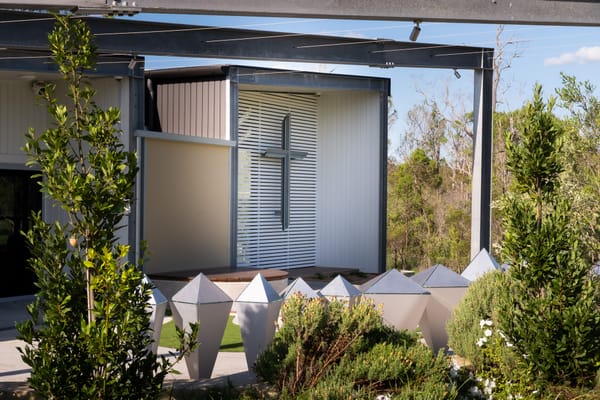
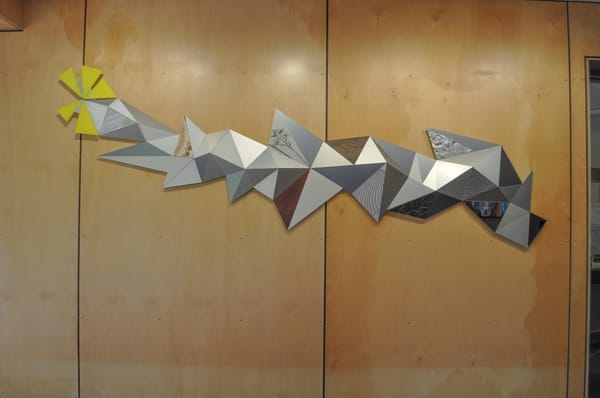
Sculptural systems contribute when they reinforce continuity, navigate change, and support spatial legibility. They filter light, absorb sound, and introduce depth without demanding attention. They operate as part of the whole, rather than as additions.
What stays with us is coherence. When materials behave consistently, scale is resolved with care, and transitions feel deliberate, a place gains internal logic.